 First Light Movers
- Pack it yourself or let us do it?
- How to pack well
- Kitchen, glass and fragile items
- Heavy, awkward and "won't fit" items
- Access, parking and the truck
- Moving day, calmly
- Keeping the cost down
Pack it yourself or let us do it? Three ways to get packed. Pick what suits your time and budget.
Full-house packing
We pack every room before moving day, boxed and ready to go. Best if you're short on time, working, or moving with kids.
Ask about full packingFragile-only packing
We wrap and box just the breakables: glassware, china, kitchenware and artwork. You pack the rest. The best value for most people.
Ask about fragile packingMaterials only
Pack it all yourself. We supply sturdy boxes, tape, paper and bubble wrap so you aren't hunting for supermarket boxes.
Ask about materialsNot sure which suits you? Packing is quoted individually, so send us a quick request or call Ryan on 027 220 6172 and we'll give you an accurate price.
How to pack well Fewer breakages, faster unloading
- Start early and go room by room. Begin with the rooms you use least. Most people underestimate packing time by half.
- Heavy things in small boxes, light things in big boxes. A large box of books is too heavy to lift safely and is the most common box to split.
- Fill the gaps. Boxes with empty space crush when stacked. Pack tightly with paper or soft items like towels.
- Tape the bottom twice, in a cross, not just one strip.
- Label the side, not the top. Boxes get stacked, so a label on top gets hidden. Write the destination room and "fragile" where it counts.
- Keep clothes on hangers in wardrobe boxes or bundled in bin bags to save packing and unpacking time.
- Use what you own. Towels, tea towels and bedding make great padding and you have to move them anyway.
- Don't overfill drawers. Light, unbreakable contents can stay in drawers. Take out anything heavy or loose.
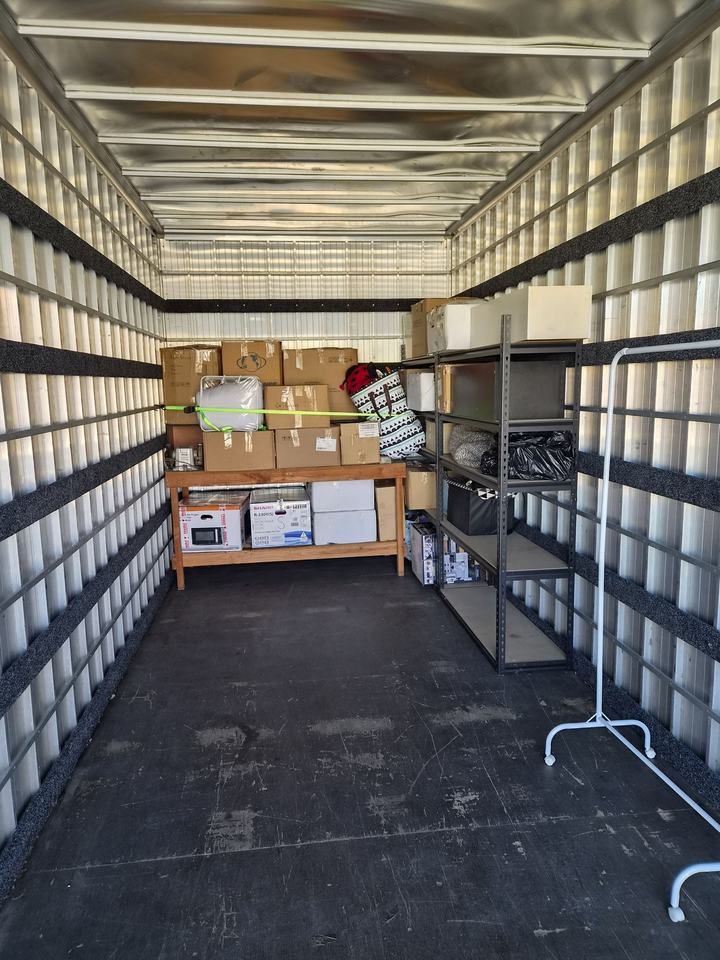
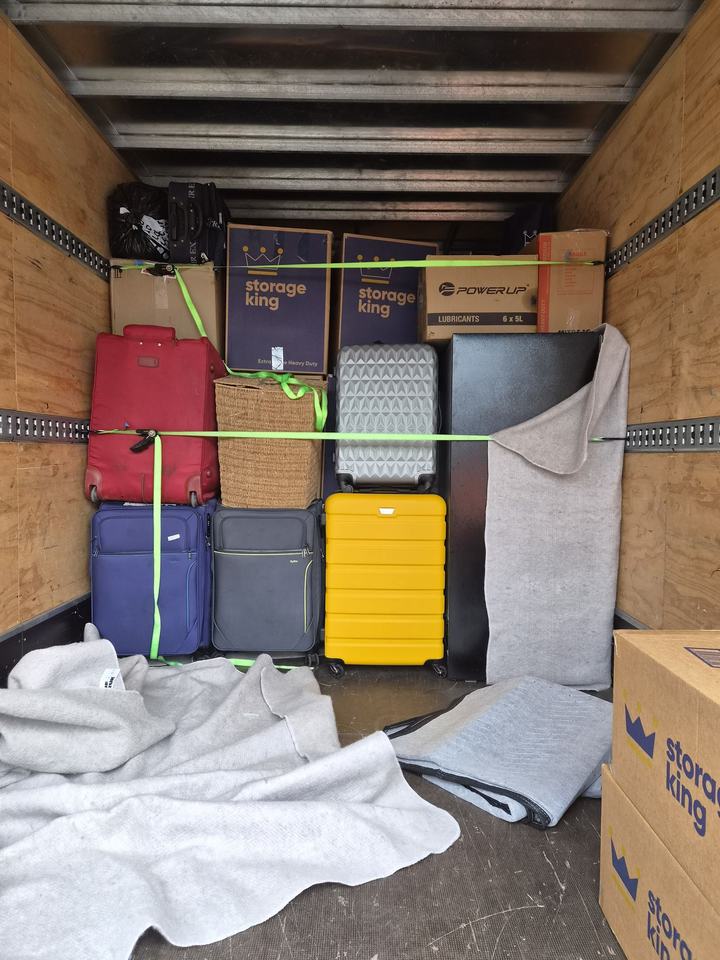
Short on time? Let us pack for you and arrive on moving day with everything boxed and ready.
Kitchen, glass and fragile items Where most breakages happen
- Wrap each plate and glass individually. Stand plates on their edge, never flat.
- Put the heaviest items at the bottom of the box and delicate items on top, with paper between layers.
- Pack glasses and bowls with extra padding inside as well as outside.
- Take pictures and mirrors flat in cardboard, not wrapped in plastic alone.
- Mark "fragile" on at least two sides and tell your movers which boxes they are.
- Keep one kettle, a couple of mugs and a few plates out so you can eat on moving night.
Fragile things are the part most people are happiest to hand over. Fragile-only packing covers just the kitchenware, glassware, china and artwork, so you don't have to.
Heavy, awkward and "won't fit" items Tell us before the day, not on it
- Tell your movers about anything unusual: gym equipment, a large fridge, a big sofa, outdoor furniture, tools, a workshop.
- Measure big furniture against doorways, stairs and hallways at the new place before moving day.
- Disassemble what you can: bed frames, tables, trampolines, shelving. Keep the screws in a labelled bag taped to the item.
- Empty furniture before it goes. Drawers, bookcases and wardrobes are much lighter and safer to carry empty.
- Disconnect appliances early: fridge/freezers need to be emptied, defrosted and dry. Washing machines need to be drained.
- Know what we don't move. We don't move pianos, spa pools or safes, so it's worth arranging a specialist early if you have one.
Access, parking and the truck The biggest hidden factor in time and cost
- Parking close to the door saves real time. Every extra minute of carrying adds up over a whole house.
- Warn us about narrow driveways, steep slopes, low trees, gates, long carries and stairs. It helps us bring the right truck and plan the time properly.
- Apartments and body corporates: book the lift or loading zone and ask about their moving rules early.
- Move cars out of the way the night before, and keep bins and loose items clear of paths.
- Send a couple of photos of the front of the property and any tricky access when you ask for a price. It's the quickest way to get an accurate number.
Moving day, calmly A smooth day starts the night before
- Be ready on time. Everything boxed, beds apart, fridge empty. Anything left to do on the day costs time.
- Keep valuables, documents, medication, keys and chargers with you, not on the truck.
- Pack an "open first" box with kettle, mugs, toilet paper, tools, bedding and snacks.
- Walk the movers through both houses. Point out what stays, what goes, and which room is which.
- Look after your crew. Have water handy and make sure they can use a toilet. It makes the whole day go better.
- Do a final walk-through of every cupboard, shed and garage before you leave.
Want a printable step-by-step? Use our moving checklist, from four weeks out to moving day.
Keeping the cost down Honest ways to save
- Declutter first. Everything you don't take is something you don't pay to move.
- Be packed and ready. Moving is charged on time, so a well-prepared house is a shorter job.
- Pick a quieter day if you can. A flexible date gives you more choice, and our calculator lets you say your date is flexible.
- Get an accurate estimate early. Enter your addresses and home size in our calculator for an instant estimate. Ryan confirms the final price before you book.
Ready to plan your move?
Get an instant estimate, or ask about packing. Ryan will talk it through with you.